Living in a tiny home has a way of sharpening your awareness. Every inch matters. Every object earns its place—or it doesn’t stay. It’s not just about downsizing your belongings; it’s about rethinking how space works altogether. That’s where smart, intentional tiny home storage solutions come into play.
In small spaces, storage isn’t a separate feature. It becomes part of the architecture, part of the lifestyle, even part of your daily rhythm. And when done right, it doesn’t just reduce clutter—it creates a sense of calm and possibility.
Rethinking Space from the Ground Up
One of the biggest mindset shifts in tiny living is realizing that storage isn’t limited to closets and cabinets. In fact, traditional storage concepts often don’t work well in smaller homes.
Instead, the most effective tiny home storage solutions treat every surface as an opportunity. Floors, walls, ceilings, even staircases—each can carry hidden potential. A bench isn’t just a place to sit; it can double as a storage chest. A bed isn’t just for sleeping; it can conceal drawers, compartments, or lift-up panels.
This approach requires a bit of creativity, but it quickly becomes second nature. You start to see your home less as a collection of rooms and more as a flexible system.
Vertical Storage: The Untapped Dimension
When floor space is limited, the eye naturally turns upward. Vertical storage is one of the most powerful tools in a tiny home.
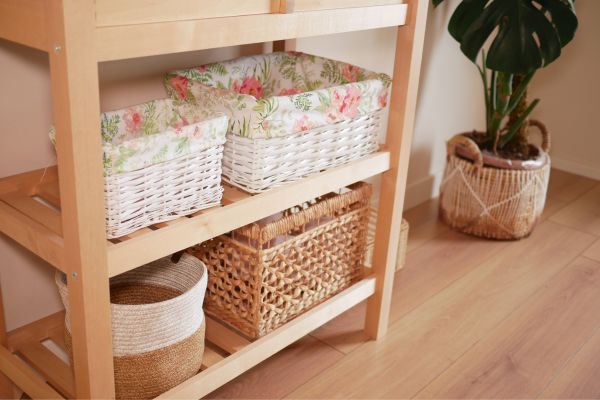
Tall shelving units, wall-mounted cabinets, and hanging racks make use of space that would otherwise go unnoticed. Open shelves can keep frequently used items within reach, while higher shelves are perfect for things you don’t need every day.
There’s also a subtle psychological benefit here. Vertical storage draws the eye upward, making the space feel taller and less cramped. It adds a sense of openness, even when square footage is tight.
Still, it’s important to strike a balance. Overloading walls with storage can make a space feel busy or cluttered. The key is to combine functionality with breathing room.
Multi-Functional Furniture as a Core Strategy
In a tiny home, furniture rarely serves a single purpose. The most effective pieces are those that adapt.
A sofa that converts into a bed. A dining table that folds into the wall. Ottomans that open up for storage. These aren’t just clever design tricks—they’re essential tools for maintaining both comfort and organization.
Multi-functional furniture allows you to reduce the number of items in your home without sacrificing usability. Instead of filling your space with separate pieces, you invest in fewer, more versatile ones.
There’s also a kind of satisfaction in this approach. It feels intentional. Every piece has a role, and nothing is wasted.
Hidden Storage That Blends Seamlessly
Some of the best tiny home storage solutions are the ones you barely notice.
Hidden compartments—under the floor, behind panels, inside stairs—offer storage without visual clutter. They keep your belongings accessible but out of sight, which can make a small space feel significantly larger.
Staircases, in particular, are often transformed into storage units. Each step can become a drawer or cabinet, turning a necessary structure into a highly functional feature.
Even walls can conceal storage. Sliding panels or built-in niches can hide items while maintaining a clean, uncluttered look.
This kind of design requires planning, but the payoff is worth it. It creates a sense of order that’s hard to achieve with visible storage alone.
Kitchen Storage That Works Smarter, Not Harder
The kitchen is often one of the most challenging areas in a tiny home. It’s a space that naturally demands a lot of tools, ingredients, and equipment.
The key here is efficiency. Instead of trying to fit everything in, you focus on what you actually use. Compact appliances, stackable containers, and magnetic racks can help streamline the space.
Wall-mounted storage plays a big role in tiny kitchens. Hanging pots, utensils, and even spice racks frees up valuable counter and cabinet space. It also keeps essentials within easy reach, which can make cooking feel less cramped.
There’s also something appealing about a well-organized tiny kitchen. It feels intentional, almost minimalist, without being restrictive.
Bedroom Storage Without the Bulk
Bedrooms in tiny homes often double as storage hubs. The bed itself becomes a central feature, not just for rest but for organization.
Storage beds with built-in drawers or lift-up frames are a common solution. They make use of one of the largest pieces of furniture in the home without adding extra bulk.
Lofted beds take this idea even further. By elevating the sleeping area, you free up space underneath for storage, seating, or even a small workspace.
Closet space, if it exists at all, is usually limited. This encourages a more curated wardrobe—one that fits your lifestyle rather than overwhelming it.
It’s less about restriction and more about clarity. You keep what you wear, and you let go of what you don’t.
Bathroom Storage in Tight Corners
Bathrooms in tiny homes can feel especially tricky. There’s often very little room to work with, yet the need for storage remains.
Here, the focus shifts to compact, efficient solutions. Wall-mounted shelves, corner units, and mirrored cabinets can provide storage without taking up floor space.
Even small details make a difference. Hooks instead of towel bars. Narrow shelves above the toilet. Slim organizers tucked into unused gaps.
The goal isn’t to create more space—it’s to use the existing space more thoughtfully.
The Role of Decluttering in Storage Design
No discussion of tiny home storage solutions is complete without addressing decluttering. Storage can only do so much if there’s simply too much to store.
Tiny living naturally encourages a more intentional relationship with belongings. You become more aware of what you own and why you own it.
This doesn’t mean living with the bare minimum. It means choosing items that add value to your life and letting go of those that don’t.
Interestingly, this mindset often makes storage easier. When you have fewer, more meaningful items, organizing them becomes less of a challenge.
Creating a Sense of Space Through Design
Storage isn’t just about function—it’s also about how a space feels.
In tiny homes, visual clutter can quickly make a space feel smaller than it is. That’s why many storage solutions aim to blend in rather than stand out.
Neutral colors, clean lines, and consistent materials can help create a cohesive look. Hidden storage, as mentioned earlier, plays a big role in maintaining this sense of calm.
Lighting also matters. Well-lit storage areas feel more accessible and less cramped. Natural light, in particular, can make a significant difference.
It’s a reminder that storage design isn’t just practical—it’s deeply connected to the overall atmosphere of the home.
Adapting Storage to Your Lifestyle
Perhaps the most important aspect of tiny home storage is personalization. What works for one person may not work for another.
A remote worker might prioritize desk space and document storage. A cooking enthusiast might need more kitchen organization. Someone who travels frequently might prefer minimal storage altogether.
The beauty of tiny living is its flexibility. It encourages you to design your space around your habits, rather than the other way around.
Over time, your storage solutions may evolve. You might discover new needs or let go of old ones. That’s part of the process.
Living Light Without Feeling Limited
There’s a common misconception that tiny homes are restrictive. That living in a small space means constantly compromising.
But when storage is thoughtfully designed, the opposite can be true.
Well-planned tiny home storage solutions create a sense of freedom. They reduce clutter, simplify routines, and make daily life more manageable.
You spend less time searching for things, less time cleaning, and more time enjoying your space.
It’s not about having less—it’s about making room for what matters.
Conclusion: A Different Way of Thinking About Space
Tiny home living challenges the way we think about space, possessions, and even comfort. It asks us to be more intentional, more creative, and sometimes a bit more patient.
Storage, in this context, becomes more than a practical concern. It becomes a design philosophy.
The best tiny home storage solutions aren’t just clever—they’re thoughtful. They reflect a deeper understanding of how we live and what we truly need.
And in that understanding, there’s a kind of quiet clarity. A sense that, even in the smallest of spaces, there’s more than enough room for a well-lived life.