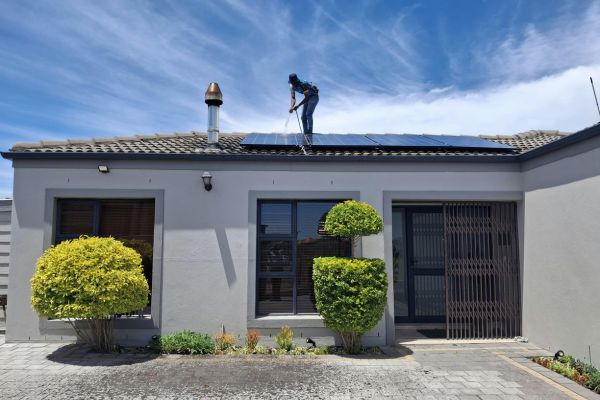
There’s something quietly satisfying about a home that works with nature instead of against it. You feel it in winter when sunlight warms a room without a heater humming in the background. You notice it in summer when the air inside stays cooler, even when the heat outside feels relentless. This is the essence of passive solar home design—a thoughtful approach to building that relies on the sun’s energy, not mechanical systems, to create comfort.
Unlike high-tech solutions that demand constant input and maintenance, passive solar home design is rooted in simplicity. It’s about orientation, materials, and timing. It’s about understanding how the sun moves across the sky and shaping a home to take advantage of that movement.
Understanding the Core Idea Behind Passive Solar Home Design
At its heart, passive solar home design is exactly what it sounds like: using the sun’s natural energy without active devices like solar panels or pumps. The goal is to capture heat during cooler months and reduce heat gain when temperatures rise.
This approach isn’t new. Long before electricity and modern heating systems, traditional homes in many cultures were built to align with the sun. Thick walls, small openings, shaded courtyards—these were all early forms of passive design. What’s changed today is the precision. We now understand sunlight patterns, thermal performance, and insulation in far greater detail.
Still, the principle remains the same: design first, technology second.
The Role of Orientation in Harnessing Sunlight
One of the most important decisions in passive solar home design happens before construction even begins—how the house is positioned on its site.
In most parts of the world, especially in the northern hemisphere, south-facing windows receive the most consistent sunlight throughout the day. By placing the majority of glazing on the south side, a home can absorb warmth during winter when the sun is lower in the sky.
But orientation isn’t just about maximizing sunlight. It’s also about control. In summer, when the sun sits higher, properly designed overhangs can block direct sunlight from entering the home, preventing overheating. It’s a subtle balance—inviting light in when it’s needed, keeping it out when it’s not.
Thermal Mass and the Art of Heat Storage
Capturing sunlight is only part of the equation. The real magic happens when that heat is stored and released gradually.
This is where thermal mass comes into play. Materials like concrete, brick, stone, and even water have the ability to absorb heat during the day and release it slowly as temperatures drop. A well-placed concrete floor or a thick interior wall can act like a battery, holding warmth long after the sun has set.
It’s not about making a home feel heavy or industrial. Done thoughtfully, thermal mass blends into the design. A polished stone floor, for instance, can be both functional and beautiful, quietly regulating temperature without drawing attention to itself.
Windows as Gateways for Energy
Windows are often seen as weak points in a building’s insulation, but in passive solar home design, they become powerful tools.
South-facing windows allow sunlight to penetrate deep into living spaces, especially during winter. Meanwhile, north-facing windows can be minimized or carefully insulated to reduce heat loss. East and west windows, which catch low-angle morning and afternoon sun, require a bit more thought, often incorporating shading devices to prevent overheating.
The type of glazing matters too. Double or triple-glazed windows with low-emissivity coatings can significantly improve energy performance, ensuring that captured heat stays inside where it belongs.
Insulation and Airtightness as Silent Partners
While passive solar home design focuses heavily on sunlight, insulation plays an equally important role. Without it, any heat gained during the day would quickly escape once temperatures drop.
A well-insulated building envelope keeps warmth inside during winter and outside during summer. Walls, roofs, and floors all contribute to this protective layer. Airtight construction further enhances performance by preventing drafts and uncontrolled air leakage.
It’s easy to overlook these elements because they’re invisible once construction is complete. Yet they form the backbone of energy efficiency, supporting every other passive strategy.
Natural Ventilation and Seasonal Comfort
Comfort isn’t just about warmth—it’s also about cooling. Passive solar home design addresses this through natural ventilation.
Strategically placed windows can create cross-ventilation, allowing fresh air to flow through the home. Hot air, which naturally rises, can escape through higher openings, drawing cooler air in from below. This simple process reduces the need for mechanical cooling, especially during mild seasons.
In some designs, features like courtyards, shaded outdoor spaces, or even small vents near the roofline enhance airflow. It’s not about forcing air movement but encouraging it.
The Subtle Influence of Shading and Landscaping
Sometimes, the most effective solutions are the least obvious. Shading devices, such as overhangs, pergolas, or even strategically planted trees, play a crucial role in passive solar home design.
Deciduous trees, for example, offer shade during summer while allowing sunlight to pass through in winter after their leaves have fallen. It’s a natural, elegant solution that evolves with the seasons.
Similarly, exterior shading elements can reduce solar gain before it even reaches the glass, which is far more effective than trying to block heat from inside.
Designing for Everyday Living
What makes passive solar home design truly compelling is how seamlessly it integrates into daily life. There’s no switch to flip, no system to monitor. The house simply responds to its environment.
Morning light fills the kitchen, warming the space as the day begins. By afternoon, shaded areas provide a comfortable retreat. In the evening, stored heat keeps rooms cozy without the need for constant heating.
This kind of design encourages a closer relationship with the natural world. You start to notice the path of the sun, the shifting patterns of light, the way seasons subtly change the atmosphere inside your home.
Challenges and Considerations in Real-World Applications
Of course, passive solar home design isn’t without its challenges. Climate plays a significant role in determining what strategies will work best. A design that performs beautifully in a cold, sunny region might struggle in a humid, tropical environment.
Site limitations can also affect outcomes. Urban settings with neighboring buildings, limited space, or restricted orientations may require creative solutions. Sometimes compromises are necessary, and that’s part of the process.
Cost is another factor. While passive design often reduces long-term energy expenses, initial planning and construction can require careful budgeting. However, many of the most effective strategies—like orientation and layout—cost little or nothing when considered early.
A Return to Thoughtful Design
In a world increasingly driven by technology, passive solar home design offers a quiet reminder that good design doesn’t always need complexity. It asks us to think about where we build, how we build, and why.
There’s a certain elegance in a home that feels naturally comfortable, one that responds to sunlight, shade, and airflow without constant intervention. It’s not about perfection. There may be days when the temperature isn’t exactly what you’d prefer, or when you need to open a window or adjust a curtain. But that’s part of the experience—living in sync with your environment rather than trying to control it completely.
Conclusion
Passive solar home design isn’t just a technique; it’s a mindset. It invites a slower, more deliberate approach to building—one that values simplicity, efficiency, and harmony with nature. By carefully considering orientation, materials, insulation, and airflow, it’s possible to create homes that remain comfortable year-round while using far less energy.
In the end, the appeal lies in its quiet effectiveness. No noise, no moving parts, no constant adjustments—just a home that works the way it should, guided by the steady rhythm of the sun.