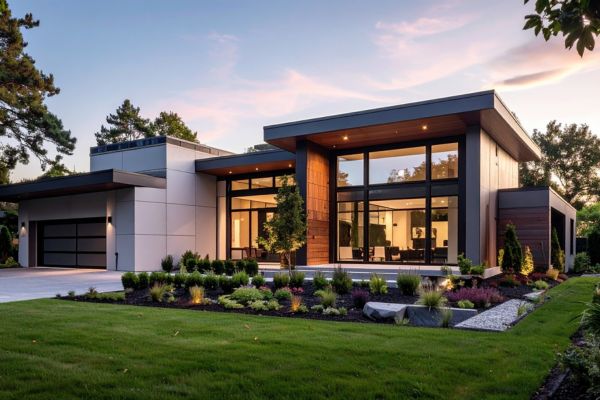
There’s something quietly powerful about a well-designed front yard. It sets the tone for the home, greets guests before you even open the door, and, if we’re being honest, gives you a little boost of pride every time you pull into the driveway. You don’t need a landscape architect or a sprawling estate to make it beautiful. With thoughtful planning and a bit of creativity, anyone can apply practical front yard landscaping tips that transform an ordinary entrance into something memorable.
The secret isn’t about spending more. It’s about seeing your front yard as a living space rather than leftover lawn.
Start With a Vision, Not a Shopping List
One of the biggest mistakes people make is heading straight to the garden center without a clear idea of what they want. Landscaping works best when it feels cohesive. Before planting a single shrub, take a moment to stand across the street and really look at your house.
What style is it? Traditional, modern, cottage, minimalist? The front yard should complement that character. A sleek, contemporary home pairs well with clean lines, structured greenery, and restrained color. A farmhouse or cottage-style home can handle softer edges, flowering borders, and layered plantings.
Sketching a simple layout—even just on notebook paper—can help you visualize where pathways, flower beds, and focal points might go. Good front yard landscaping tips always begin with intention.
Define a Clear Entry Path
Your walkway is more than a practical feature; it’s an invitation. A straight concrete strip gets the job done, but adding curves, textured pavers, or subtle lighting can elevate the entire look.
Think of the path as guiding the eye toward your front door. Lining it with low-growing plants, ornamental grasses, or seasonal flowers creates a sense of movement and structure. Even small upgrades—like edging the walkway with brick or stone—add polish without overwhelming the space.
And don’t forget scale. A narrow path can feel cramped, while one that’s too wide may overpower the yard. Aim for balance.
Layer Plants for Depth and Dimension
Flat landscaping is forgettable. Depth makes a yard feel established and lush. Instead of planting everything at the same height, try layering from tallest to shortest.
Place taller shrubs or small trees near the house to frame it. Medium-height plants can fill the middle ground, and lower groundcovers or flowers can define the edges. This layering technique adds visual interest and keeps the yard from feeling sparse.
When choosing plants, consider how they’ll look throughout the year. Evergreens provide structure in winter. Perennials bring seasonal color. Ornamental grasses add texture. One of the most practical front yard landscaping tips is to plan for all four seasons, not just spring.
Embrace Symmetry—Or Break It Intentionally
Symmetry creates a sense of calm and order. Matching planters on either side of the door or balanced shrubs flanking a window can instantly make a home feel more refined.
That said, symmetry isn’t mandatory. Asymmetrical designs can feel more relaxed and modern. The key is being deliberate. If one side of the yard has a statement tree, balance the other side with a grouping of shrubs or a flower bed that carries visual weight.
What you want to avoid is randomness. Cohesion matters more than perfection.
Rethink the Traditional Lawn
A large expanse of grass can be beautiful, but it isn’t the only option. Lawns require maintenance—mowing, watering, fertilizing—and in some climates, they’re not the most practical choice.
Consider breaking up the lawn with garden beds, decorative gravel areas, or native plantings. Native plants are particularly smart. They’re adapted to your region’s climate, require less water, and often attract beneficial pollinators.
If you love the look of grass but want to reduce upkeep, think smaller. A defined patch of healthy lawn framed by planting beds can feel intentional and elegant.
Add a Focal Point That Tells a Story
Every memorable yard has something that draws the eye. It might be a flowering tree, a sculptural plant, a water feature, or even a beautifully painted front door.
The focal point doesn’t need to be elaborate. A single Japanese maple in the right spot can transform a plain yard into something quietly dramatic. A stone bench tucked beneath a tree can create a welcoming atmosphere.
When applying front yard landscaping tips, ask yourself: where does the eye land first? If the answer is “nowhere in particular,” it might be time to introduce a focal feature.
Use Lighting to Extend the Experience
Landscaping doesn’t disappear after sunset. In fact, good lighting can make it even more compelling.
Soft pathway lights improve safety and ambiance. Uplighting on trees or architectural features adds depth. Even subtle porch lighting can highlight textures and shapes that go unnoticed during the day.
The goal isn’t brightness; it’s warmth. A softly illuminated front yard feels inviting and lived-in.
Choose Colors With Restraint
It’s tempting to plant every flower you love. But too many competing colors can feel chaotic. Instead, choose a palette and stick to it.
A limited color scheme—say, white and purple, or pink and blue—creates harmony. You can always add seasonal pops of color with potted plants or annuals.
Greenery itself offers countless shades and textures. Deep emerald shrubs paired with silvery foliage or feathery grasses can be just as striking as a bed full of blooms.
Frame the House, Don’t Hide It
Landscaping should enhance your home’s architecture, not overwhelm it. Overgrown shrubs covering windows or blocking the entry create a neglected impression.
Keep plantings proportionate to the house. Leave breathing room around doors and windows. Trim regularly so that lines remain clean.
Think of the yard as a frame around a picture. The goal is to highlight the home, not compete with it.
Incorporate Texture for Visual Interest
Texture often matters more than color. Smooth leaves against spiky grasses. Dense shrubs beside airy perennials. Rough stone edging contrasted with soft groundcover.
These subtle differences make a yard feel layered and dynamic. Without texture, even well-planned landscaping can feel flat.
Walk through local neighborhoods or gardens and notice what catches your attention. Chances are, it’s not just color—it’s contrast.
Keep Maintenance in Mind
A beautifully landscaped yard can quickly become a burden if it requires constant upkeep. Be honest about how much time you want to spend maintaining it.
Low-maintenance front yard landscaping tips include choosing slow-growing shrubs, installing drip irrigation, using mulch to suppress weeds, and selecting hardy perennials that return year after year.
There’s nothing wrong with a high-maintenance garden if you love tending it. But if your schedule is packed, simplicity will serve you better in the long run.
Personalize the Space
Your front yard doesn’t have to look like a magazine spread. It should feel like you.
Maybe that means a small herb garden near the walkway. Maybe it’s a whimsical mailbox surrounded by flowers. Maybe it’s minimalist gravel and sculptural succulents.
The best front yard landscaping tips always leave room for personality. A yard that reflects your taste and lifestyle feels authentic, and that authenticity is what people respond to.
Refresh With the Seasons
Landscaping isn’t static. Small seasonal updates can keep your front yard feeling fresh.
In spring, add bright annuals. In summer, focus on lush greenery. Autumn calls for ornamental grasses and subtle warm tones. Winter benefits from evergreen structure and simple decorations.
You don’t have to overhaul the entire yard each season. Even swapping out a few planters can make a noticeable difference.
Let Simplicity Lead
It’s easy to overcomplicate landscaping. More plants, more features, more colors. But often, the most striking yards are the simplest.
A clean walkway, thoughtfully placed shrubs, a defined lawn, and a focal tree can be enough. When everything works together, the space feels effortless.
If you’re unsure whether something is necessary, step back and look again. Sometimes restraint is the smartest design choice you can make.
A Front Yard That Welcomes and Lasts
At its core, landscaping is about creating a sense of welcome. It’s the first chapter of your home’s story. With careful planning, layered plantings, and attention to balance, you can shape a front yard that feels cohesive and inviting.
These front yard landscaping tips aren’t about chasing trends or copying someone else’s design. They’re about understanding your space, working with what you have, and making thoughtful choices that endure.
A great front yard doesn’t happen overnight. It evolves. Plants grow. Ideas shift. And that’s part of the charm. When you treat your landscape as a living canvas—one that reflects both nature and personality—you end up with curb appeal that feels genuine, not forced.
And that kind of beauty tends to last.