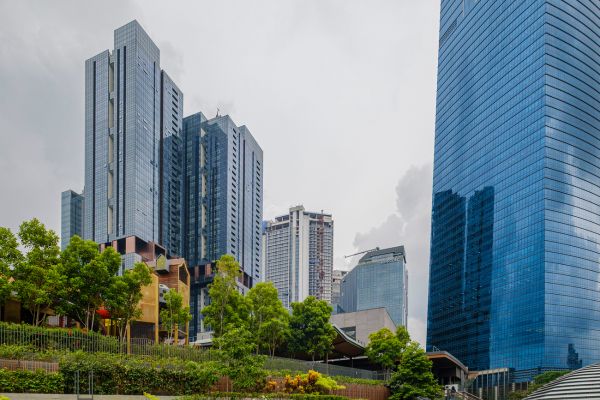
Cities have always needed breathing room. Long before glass towers and endless traffic, public green spaces offered a pause—a place to walk, gather, and simply exist without urgency. Today, as urban environments grow denser and more complex, the role of parks has evolved far beyond patches of greenery. Modern urban park design concepts are no longer just about planting trees and laying pathways; they’re about shaping experiences, supporting communities, and responding to the rhythms of city life.
Designing a park in the heart of a city is, in many ways, an act of translation. It takes the needs of people, the character of a place, and the realities of infrastructure, and turns them into something tangible. And when it’s done well, the result feels almost effortless.
Understanding the Purpose Behind Urban Parks
At their core, urban parks are spaces of connection. They connect people to nature, certainly, but also to each other. A well-designed park invites a wide range of users—families, joggers, elderly visitors, children, and even those who just need a quiet bench for a few minutes.
One of the most important urban park design concepts is defining purpose early on. Is the park meant to be a lively social hub, or a calm retreat from city noise? In truth, many parks try to balance both. Designers often create zones that cater to different experiences, allowing activity and tranquility to coexist without conflict.
This layered approach ensures that a single space can serve multiple roles throughout the day, shifting naturally from morning exercise routines to afternoon gatherings and quiet evening strolls.
Designing for People, Not Just Space
A common misconception is that parks are primarily about land use. In reality, they are about people. Successful urban park design concepts begin with understanding how individuals move, interact, and spend time in shared environments.
Pathways, for instance, are not just functional—they shape how people explore a park. Curved paths can create a sense of discovery, while direct routes cater to those simply passing through. Seating placement matters just as much. A bench facing a playground invites caregivers to linger, while a secluded spot under a tree offers solitude.
There’s also a subtle psychology at play. Open spaces can feel freeing, but too much openness may feel exposed. Similarly, enclosed areas can feel safe or restrictive, depending on how they are designed. Balancing these elements requires an intuitive understanding of human behavior.
Integrating Nature Into the Urban Fabric
Bringing nature into cities is one of the most enduring aspects of urban park design. But it’s not just about aesthetics. Thoughtful planting strategies can improve air quality, regulate temperature, and support biodiversity.
Native plants are often favored because they adapt well to local conditions and require less maintenance. They also provide habitats for birds, insects, and small wildlife, quietly reintroducing ecological balance into urban areas.
Water features are another powerful element. Whether it’s a reflective pond, a flowing stream, or a simple fountain, water has a calming effect that’s hard to replicate. It softens the edges of a city, both visually and acoustically.
These choices may seem small, but together they create an environment that feels alive rather than constructed.
Creating Flexible and Multi-Use Spaces
Cities are unpredictable, and parks must be able to adapt. One of the more progressive urban park design concepts involves creating spaces that can serve multiple purposes without feeling overdesigned.
An open lawn, for example, might host yoga sessions in the morning, picnics in the afternoon, and community events in the evening. Amphitheater-style seating can accommodate performances, but also function as casual gathering spots when nothing is scheduled.
Flexibility doesn’t mean lack of intention. It means designing with enough openness that people can shape the space themselves. This approach often leads to more organic and meaningful use over time.
Embracing Accessibility and Inclusivity
A truly public space must be accessible to everyone. This goes beyond meeting technical standards. It’s about creating an environment where people of all ages, abilities, and backgrounds feel welcome.
Smooth pathways, clear signage, and thoughtfully designed entrances make navigation easier. Play areas that include equipment for children with different abilities ensure that no one is left out. Quiet zones can offer comfort to those who may feel overwhelmed in busy environments.
Inclusivity also extends to cultural representation. Parks can reflect the identity of the communities they serve through art, materials, and programming. When people see themselves in a space, they are more likely to care for it and return to it.
Balancing Safety and Openness
Safety is often an invisible element of good design. When done right, it doesn’t feel restrictive—it feels natural.
Lighting plays a significant role, especially in parks that remain open after dark. Well-lit pathways and gathering areas create a sense of security without overwhelming the ambiance. Visibility is equally important. Clear sightlines help people feel aware of their surroundings, reducing anxiety.
At the same time, parks should not feel over-controlled. There’s a delicate balance between safety and freedom. Too many barriers or surveillance measures can make a space feel uninviting. The goal is to create an environment where people feel safe without being constantly reminded of it.
Incorporating Sustainable Design Practices
Sustainability has become central to modern urban park design concepts. As cities face environmental challenges, parks can serve as both functional and symbolic responses.
Rain gardens and permeable surfaces help manage stormwater, reducing the risk of flooding. Solar-powered lighting minimizes energy use, while recycled materials can be incorporated into structures and seating.
But sustainability isn’t only about technology. It’s also about longevity. Designing with durable materials and low-maintenance landscapes ensures that parks remain functional and beautiful over time, rather than requiring constant intervention.
Encouraging Community Engagement
Parks are not static—they evolve with the communities around them. One of the more human-centered urban park design concepts is involving local residents in the design process itself.
When people contribute ideas, share concerns, and see their input reflected in the final design, they develop a sense of ownership. This often leads to better care and more active use of the space.
Even after a park is completed, programming can keep it dynamic. Events, workshops, and informal gatherings bring life to the space, ensuring it doesn’t become underused or forgotten.
Designing for Emotional Experience
Perhaps the most overlooked aspect of urban park design is emotion. Beyond function and aesthetics, parks shape how people feel.
A shaded path on a hot day can bring relief. The sound of leaves rustling in the wind can create calm. A vibrant playground can spark joy and energy. These moments are subtle, but they are what make a park memorable.
Designers often think in terms of sequences—how a person moves through a space and what they experience along the way. A gradual transition from a busy street to a quiet garden can feel almost transformative, like stepping into another world without leaving the city.
The Role of Art and Identity in Public Spaces
Art has a unique ability to anchor a park within its cultural context. Sculptures, murals, and interactive installations can tell stories, provoke thought, or simply add visual interest.
In many urban park design concepts, art is not treated as an afterthought. Instead, it becomes an integral part of the landscape. It can guide movement, define spaces, or create focal points that draw people in.
More importantly, it gives a park its identity. While trees and paths may look similar across different cities, art introduces something distinctly local—a reflection of history, culture, or shared experience.
Conclusion: Shaping Cities Through Thoughtful Design
Urban parks are, in many ways, the quiet heroes of city life. They don’t demand attention, yet they influence how people live, interact, and recharge. The best urban park design concepts recognize this subtle power and build spaces that feel intuitive, inclusive, and alive.
As cities continue to grow, the importance of these spaces will only increase. They offer balance in environments that often feel overwhelming, providing moments of stillness amid constant motion.
And perhaps that’s the essence of it all. A well-designed urban park doesn’t just fill space—it creates meaning. It becomes a place where everyday life unfolds a little more gently, and where, even for a short while, the city feels human again.