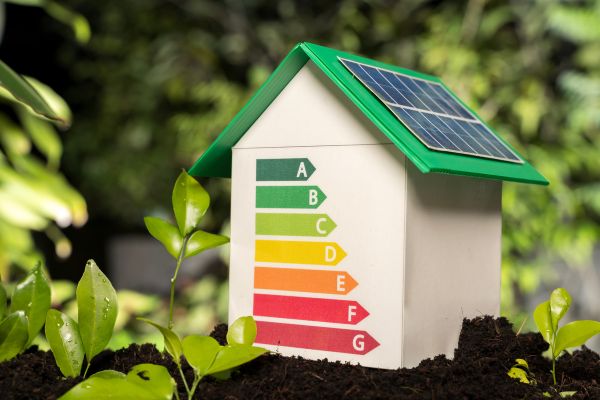
Energy-efficient home architecture has quietly moved from the fringes of experimental design into the center of how many people think about housing. It is no longer a niche concern reserved for eco-enthusiasts or architects with a taste for futuristic aesthetics. Today, it reflects a broader shift in how we understand comfort, cost, climate, and responsibility. An energy-efficient home is not just about using less electricity or installing solar panels; it is about designing spaces that work with their environment instead of constantly pushing against it.
This approach to architecture reshapes how homes feel to live in. Rooms stay comfortable longer, energy bills stop swinging wildly with the seasons, and the house itself begins to feel calmer, quieter, and more intentional. Good design does much of the work before technology ever enters the picture.
Understanding the Core of Energy-Efficient Home Architecture
At its heart, energy-efficient home architecture is about reducing unnecessary energy demand through smart design choices. Before mechanical systems, appliances, or renewable energy solutions come into play, the building itself sets the tone. Orientation, shape, materials, and layout all influence how much heating, cooling, and lighting a home will need throughout its life.
An energy-efficient house does not fight the sun, wind, or temperature shifts. Instead, it anticipates them. Walls store warmth when needed. Windows invite daylight without letting heat escape or enter uncontrollably. Rooflines and overhangs block harsh summer sun while welcoming softer winter light. These decisions may seem subtle, but together they form the foundation of energy efficiency.
Designing with Climate and Location in Mind
No two climates ask the same things from a house. A design that works beautifully in a cold northern region may struggle in a humid coastal environment. Energy-efficient home architecture begins by respecting local climate patterns rather than ignoring them.
In colder regions, homes often prioritize compact shapes, high levels of insulation, and south-facing windows that capture passive solar heat. In hotter climates, architecture leans toward shading, ventilation, and reflective materials that keep interiors cool. Humid areas benefit from raised foundations, breathable wall systems, and designs that encourage constant air movement.
When architects design with climate awareness, the house becomes naturally comfortable. Mechanical systems still exist, but they operate less frequently and with less strain, extending their lifespan and lowering overall energy use.
The Role of Building Orientation and Layout
Orientation is one of the most powerful yet overlooked tools in energy-efficient home architecture. The direction a house faces determines how sunlight enters the space throughout the day and across seasons. Thoughtful orientation can dramatically reduce the need for artificial heating and cooling.
Living areas placed along sun-facing sides receive natural warmth and light when it is most useful. Bedrooms can be tucked into cooler zones for more comfortable sleeping. Utility spaces often act as buffers, protecting main living areas from temperature extremes.
Layout matters just as much as orientation. Open floor plans allow air and light to move freely, reducing the need for artificial lighting and forced air circulation. Smaller, well-defined spaces can also be efficient when designed carefully, especially when they limit wasted square footage that must be heated or cooled.
Materials That Work Smarter, Not Harder
The materials used in energy-efficient home architecture are chosen not only for appearance but for performance. Walls, floors, and roofs all act as barriers between indoor comfort and outdoor conditions. When these elements are thoughtfully selected, they significantly reduce energy loss.
High-performance insulation keeps temperatures stable, while airtight construction prevents unwanted drafts. Thermal mass materials, such as concrete, stone, or brick, absorb and release heat slowly, helping to moderate indoor temperatures throughout the day. Sustainable wood products add warmth and flexibility while often carrying a smaller environmental footprint.
Material choices also affect how long a home remains efficient. Durable, low-maintenance materials reduce the need for frequent replacements, saving both energy and resources over time.
Windows as a Design Feature, Not a Weak Point
Windows often receive blame for energy loss, but in energy-efficient home architecture, they become strategic assets. Well-designed windows enhance comfort, daylight, and connection to the outdoors without compromising performance.
The size, placement, and glazing of windows all matter. Large windows placed without shading can cause overheating, while poorly sealed ones leak warmth during winter. Energy-efficient designs balance window placement carefully, often pairing generous glazing with deep overhangs, shutters, or screens.
High-quality frames and multi-layered glass reduce heat transfer while still allowing natural light to flood interior spaces. When done right, windows eliminate the need for daytime artificial lighting and create rooms that feel alive and connected to their surroundings.
Natural Ventilation and Airflow as Design Principles
One of the most satisfying aspects of energy-efficient home architecture is how it reintroduces natural airflow into daily living. Instead of relying entirely on mechanical systems, these homes use design to encourage fresh air circulation.
Cross-ventilation allows breezes to move through the house, cooling spaces naturally during warmer months. High ceilings and strategically placed openings let warm air rise and escape, drawing cooler air inward. Courtyards, atriums, and operable windows all contribute to a house that breathes.
This focus on airflow improves indoor air quality while reducing energy use. The home feels fresher, quieter, and more responsive to changing conditions.
Integrating Technology Without Letting It Dominate
Technology plays an important supporting role in energy-efficient home architecture, but it is not the star of the show. Efficient design ensures that technological systems work less and last longer.
Smart thermostats, energy-efficient lighting, and modern appliances fine-tune performance rather than compensating for poor design. Renewable energy systems, such as solar panels, are most effective when paired with a home that already minimizes energy demand.
This balanced approach avoids the trap of overengineering. Instead of layering technology on top of inefficiency, energy-efficient architecture builds a solid foundation that technology simply enhances.
Comfort, Health, and Everyday Living
Beyond energy savings, energy-efficient home architecture deeply influences how a home feels to live in. Stable indoor temperatures reduce physical stress. Better air quality supports respiratory health. Quiet interiors free from constant mechanical noise improve focus and relaxation.
Natural light has a subtle but powerful effect on mood and well-being. Homes designed to capture daylight feel more spacious and uplifting, even when their footprint is modest. The connection to outdoor rhythms helps residents feel grounded and at ease.
These benefits are often noticed gradually. Over time, the home feels less like a machine that needs constant adjustment and more like a steady, reliable presence.
The Long-Term Value of Thoughtful Design
Energy-efficient home architecture is an investment in longevity. Homes designed with efficiency in mind tend to age more gracefully, adapt better to changing technologies, and retain value over time. They respond well to future upgrades because their core structure already supports efficient living.
As energy costs fluctuate and environmental awareness grows, homes that consume less energy without sacrificing comfort become increasingly desirable. Yet the true value lies not just in financial savings but in daily experience. Living in a home that works intuitively reduces friction, stress, and unnecessary waste.
A Reflective Conclusion on Energy-Efficient Home Architecture
Energy-efficient home architecture is ultimately about alignment. It aligns human comfort with environmental responsibility, modern living with timeless design principles, and technology with restraint. Rather than chasing trends, it focuses on fundamentals that have always mattered: light, air, warmth, and shelter.
As more people reconsider how their homes interact with the world around them, energy-efficient design offers a quiet but powerful answer. It reminds us that good architecture does not demand more energy, more complexity, or more noise. Instead, it asks better questions and listens carefully to the place it inhabits.