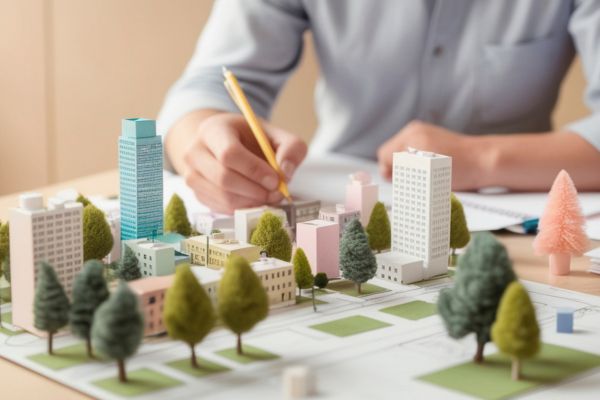
Smart urban planning isn’t just a buzzword tossed around at conferences anymore. It’s something that affects how you get to work, where your kids play, how safe your streets feel, and even how much you pay for utilities. Let’s be real, cities are growing fast, and the old ways of planning just aren’t cutting it anymore. Traffic jams, pollution, housing shortages, and overstretched infrastructure have made one thing clear: we need to think smarter.
So what exactly does smart urban planning look like, and why does it matter so much right now? Let’s dig into it in a way that actually makes sense, without the jargon overload.
Understanding Smart Urban Planning in Simple Terms
At its core, smart urban planning is about designing cities that work better for people. Not just today, but ten, twenty, even fifty years down the line. It blends thoughtful design, modern technology, sustainability, and human behavior into one cohesive approach.
The thing is, smart urban planning isn’t only about adding tech everywhere. It’s not just sensors, apps, or data dashboards. It’s about using information wisely to create neighborhoods that are walkable, inclusive, efficient, and resilient. Technology supports the vision, but people remain at the center of it all.
When done right, smart urban planning makes daily life easier without you even noticing. Streets feel safer, public transport runs smoother, green spaces are accessible, and services respond faster to real needs.
Why Cities Can’t Ignore Smart Urban Planning Anymore
Urban populations are exploding. More than half the world already lives in cities, and that number keeps climbing. With limited space and resources, cities that don’t plan smartly end up struggling. Congestion worsens, pollution rises, and quality of life drops.
Smart urban planning helps cities stay ahead instead of constantly playing catch-up. By anticipating growth and challenges, planners can design systems that scale gracefully. You know, instead of tearing up roads every five years or scrambling to add housing after prices skyrocket.
Another big factor is climate change. Cities are on the front lines, facing heatwaves, flooding, and extreme weather. Smart urban planning integrates climate resilience into city design, making communities safer and more adaptable when things get rough.
The Human Side of Smart Urban Planning
Here’s something that often gets overlooked. Cities aren’t just infrastructure projects; they’re living ecosystems made up of people. Smart urban planning recognizes this and focuses heavily on human experience.
Well-designed cities encourage social interaction. They make it easier to walk, bike, and gather. Public spaces feel welcoming rather than intimidating. Neighborhoods are mixed-use, so people can live, work, and relax without spending hours commuting.
And let’s not ignore equity. Smart urban planning aims to reduce inequality by ensuring access to services like healthcare, education, and transportation isn’t limited to certain areas. Everyone deserves a city that works for them, not just a lucky few.
Technology’s Role in Smart Urban Planning
Yes, technology matters, but only when it’s used thoughtfully. Smart urban planning uses data to understand how cities function in real time. Traffic patterns, energy usage, waste management, and public transport demand can all be analyzed to make better decisions.
For example, adaptive traffic systems can reduce congestion by responding to actual road conditions. Smart energy grids can lower emissions and reduce costs. Data-driven zoning can help cities grow more organically instead of in chaotic spurts.
But here’s the catch. Technology should remain invisible to residents. The goal isn’t to overwhelm people with apps and screens. It’s to quietly improve efficiency behind the scenes while everyday life feels simpler and smoother.
Sustainability as a Core Principle
Sustainability isn’t optional anymore. Smart urban planning places environmental responsibility at the center of city design. This includes reducing carbon emissions, conserving water, managing waste responsibly, and protecting natural ecosystems.
Green buildings, renewable energy integration, and efficient public transportation all play a role. But sustainability also means preserving local character and biodiversity. Urban forests, rooftop gardens, and green corridors don’t just look nice; they improve air quality and mental health too.
Smart urban planning understands that cities and nature don’t have to be enemies. When designed well, they can support each other in powerful ways.
Transportation and Mobility in Smart Cities
Let’s talk about getting around, because this is where people really feel the impact of planning decisions. Smart urban planning prioritizes mobility options that are efficient, affordable, and accessible.
Instead of designing cities solely around cars, smart planning supports public transit, cycling, and walking. Compact neighborhoods reduce travel distances, while integrated transport systems make switching between modes seamless.
The result? Less traffic, lower emissions, and happier commuters. You spend less time stuck in traffic and more time doing things that actually matter. That’s a win.
Housing and Community Design
Housing is one of the toughest challenges cities face. Smart urban planning addresses this by promoting diverse housing options that meet different income levels and lifestyles.
Mixed-use developments bring housing closer to jobs, shops, and services. This reduces commute times and strengthens local economies. Thoughtful zoning prevents urban sprawl while maintaining livable density.
Community design also matters. When neighborhoods include shared spaces, local businesses, and cultural hubs, people feel more connected. And honestly, connected communities tend to be safer and more resilient.
The Economic Impact of Smart Urban Planning
Smart urban planning isn’t just good for residents; it’s good for business too. Efficient cities attract investment, talent, and innovation. Companies prefer locations where employees enjoy a high quality of life.
Well-planned cities reduce operational costs by optimizing infrastructure and services. Energy efficiency, smart logistics, and streamlined governance all contribute to long-term economic stability.
Plus, when cities function better, productivity improves. Fewer delays, less stress, and better access to opportunities make a real difference over time.
Challenges and Real-World Limitations
Of course, smart urban planning isn’t without challenges. Budget constraints, political resistance, and outdated regulations can slow progress. There’s also the risk of technology being adopted without proper oversight, leading to privacy concerns or unequal access.
Another issue is community engagement. Smart urban planning works best when residents are involved in decision-making. Without public input, even well-intentioned projects can miss the mark.
The key is balance. Combining innovation with transparency, flexibility, and empathy ensures that planning efforts truly serve the people they’re meant to help.
Looking Ahead at the Future of Smart Urban Planning
The future of cities depends on the choices we make today. Smart urban planning isn’t about building flashy megacities overnight. It’s about steady, thoughtful improvements that add up over time.
As technology evolves and environmental pressures increase, cities that embrace smart urban planning will adapt more easily. They’ll be healthier, more inclusive, and better prepared for uncertainty.
And maybe most importantly, they’ll feel like places where people actually want to live. Not just survive, but thrive.
Final Thoughts on Smart Urban Planning
Smart urban planning is really about respect. Respect for people, for resources, and for the future. It acknowledges that cities are complex, emotional, and deeply human spaces.
When done right, smart urban planning fades into the background. Life just works better. Streets feel alive, services feel responsive, and communities feel connected. You might not always notice it, but you feel it.
So as cities continue to grow and change, one thing is clear. Planning smarter isn’t a luxury anymore. It’s a necessity. And honestly, it’s one of the most exciting opportunities we have to shape a better future for everyone.